
Sellers in Northern Virginia are hearing a lot of noise about hesitant buyers, but pending home sales tell a more balanced story. Demand has not disappeared—it has become more selective, price-sensitive, and strategic. If your home is positioned well, serious buyers are still writing contracts.
One of the most common things sellers hear right now is, “Nobody’s buying.” It is an understandable reaction in a market shaped by higher mortgage rates, affordability pressure, and nonstop headlines about uncertainty. But that statement does not hold up when you look at pending home sales data. Buyers have not vanished in 2026. They are still active, but they are moving with more caution and expecting stronger value.
That distinction matters if you are thinking about selling in Northern Virginia. A slower-feeling market is not the same thing as a dead market. Homes are still going under contract every week across Fairfax County, Loudoun County, Prince William County, and surrounding communities. The real question is not whether buyers exist. It is whether your home is priced, presented, and marketed in a way that gives those buyers a reason to act.
What Pending Home Sales Actually Measure
Pending home sales track signed contracts, not closed transactions. That makes them one of the clearest ways to measure real-time buyer demand. Closed sales tell you what happened weeks ago. Pending sales show what buyers are doing now.
When pending sales hold steady or improve, it is a sign that buyers are still engaging with the market even if they are taking longer to decide or negotiating harder before committing. In 2026, that is exactly what many sellers are missing. The market may not feel frenzied, but contract activity continues to show that qualified buyers are still stepping forward.
A quieter market can still be an active market. Pending sales often reveal demand that headlines miss because they capture buyer decisions before those homes officially close.
Nationally, pending home sales have reflected a market that is constrained more by affordability and inventory fit than by a total lack of interest. Buyers are still searching, touring, comparing, and making offers when the right property comes along. That is especially true in desirable commuter-friendly regions where employment stability, school access, and long-term housing demand continue to support activity.
Why Northern Virginia Is Different From the National Narrative
Northern Virginia rarely moves in perfect sync with the broader national market. Local demand is shaped by a strong employment base, proximity to Washington, D.C., a large population of move-up buyers, and neighborhoods that continue to attract relocation interest. Even when national sentiment turns pessimistic, many Northern Virginia communities remain competitive for well-prepared listings.
That does not mean every home sells instantly or above asking. It means sellers need to interpret the market correctly. In many parts of Northern Virginia, buyers are still present, but they are more analytical. They are comparing condition, location, monthly payment impact, and perceived value with much more discipline than they did in a lower-rate environment.
If a home is overpriced, underprepared, or marketed weakly, buyers may pass. If it is updated, well-staged, and aligned with current expectations, it can still attract strong attention and go under contract in a reasonable timeframe.
What Sellers Should Take From the Data
The biggest takeaway is simple: demand has become selective, not absent. That changes strategy. Sellers cannot rely on broad market momentum alone to carry a listing. They need to create a compelling reason for buyers to choose their home over the alternatives.
That starts with pricing. In a market where buyers are watching monthly costs closely, even a small pricing misstep can reduce showings and delay offers. The first wave of attention matters. If your home enters the market above what buyers perceive as fair value, it may sit long enough to create doubt, even if a price reduction comes later.
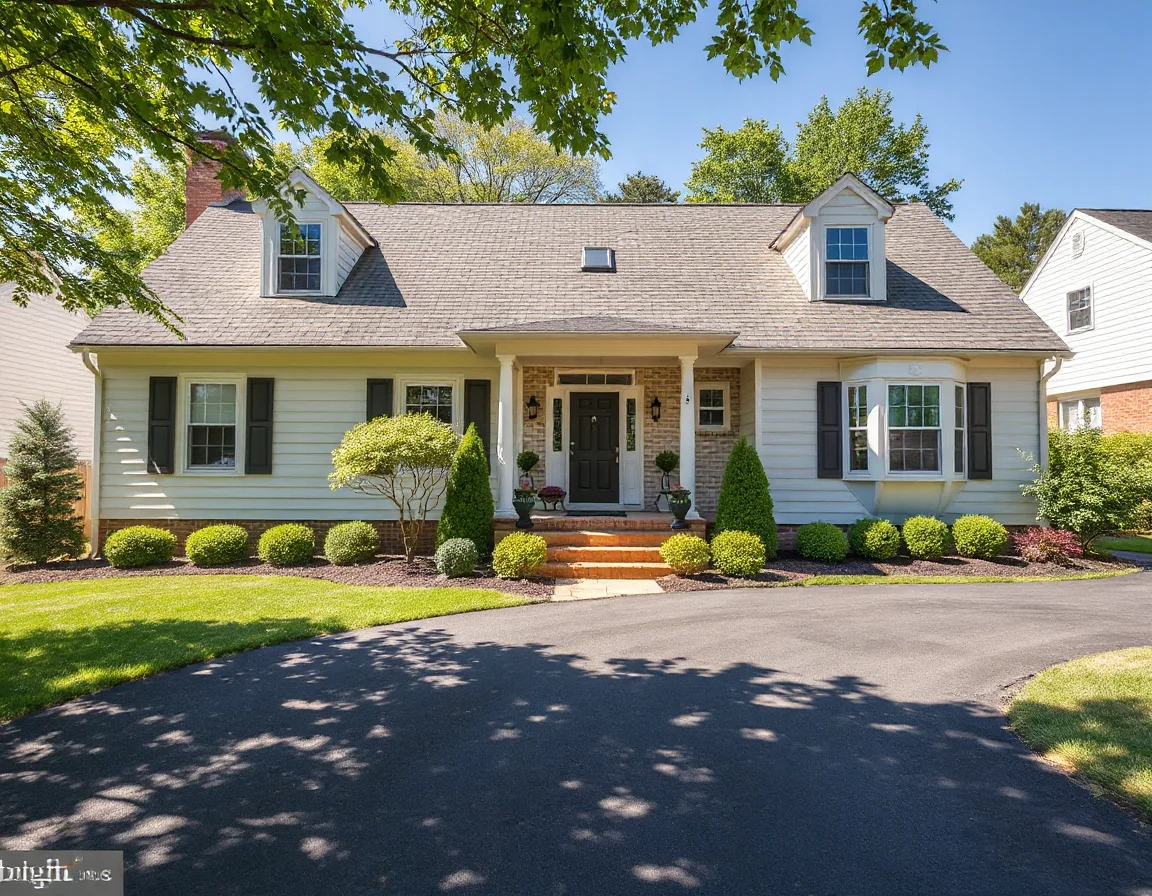
Presentation matters just as much. Buyers in 2026 are often making sharper judgments about condition because they do not want to overpay and then spend heavily on repairs or updates. Clean presentation, thoughtful staging, and strong photography are not optional details. They are part of how you protect value and improve contract potential.
Today’s buyers are not disappearing—they are filtering harder. Sellers who remove friction through pricing, preparation, and positioning are the ones most likely to capture the demand that is still out there.
Marketing also plays a larger role in a more selective environment. When buyers are cautious, your listing needs to communicate value immediately. That means clear visuals, persuasive property positioning, and messaging that highlights what makes the home stand out in its price range and location.
The Mistake Sellers Make When They Believe “Nobody’s Buying”
When sellers assume demand has dried up, they often make one of two mistakes. Some delay listing even when selling still makes sense for their goals. Others list with unrealistic expectations and blame the market when the home does not get immediate traction.
Both reactions can be costly. Waiting for a “perfect” market can mean missing a window that still offers meaningful opportunity, especially if your next move depends on timing, equity, or life changes already in motion. On the other hand, entering the market without a strategy can lead to unnecessary price cuts and longer days on market.
The better approach is to use current pending sales, active competition, and neighborhood-level trends to build a realistic plan. Sellers do not need hype. They need accurate positioning. In Northern Virginia, that means understanding how buyers are behaving right now in your specific area—not relying on broad national talking points.
How to Sell Into a Selective Market With Confidence
If you are considering a move, the goal is not to chase the market emotionally. It is to respond to it intelligently. A strong selling plan in 2026 should include a pricing strategy based on current contract activity, a preparation plan that addresses buyer objections before they surface, and marketing that reflects how buyers shop today.
That is where local interpretation matters. Pending home sales data is useful, but it becomes much more powerful when applied to your neighborhood, price point, and property type. A townhouse in Ashburn may behave differently from a single-family home in Gainesville or a luxury property in McLean. Sellers need advice grounded in the segment they are actually competing in.
For homeowners in Northern Virginia, the message is encouraging: serious buyers are still in the market. They may be more careful, but they are not gone. If your home is aligned with what those buyers want and expect, there is still a path to a successful sale.
Final Thoughts for Northern Virginia Sellers
If you have been hearing that nobody is buying right now, take a closer look at the data before making a decision. Pending home sales continue to show that buyers are active, even if they are more measured than they were in past market cycles. The opportunity is still there for sellers who approach the market with the right expectations and the right strategy.
In a market like this, success comes from preparation, pricing discipline, and local insight. Sellers who understand that demand has shifted—not disappeared—are in a much better position to move forward confidently and protect their bottom line.
If you are wondering how your home would likely perform in today’s Northern Virginia market, the next step is to evaluate your pricing, competition, and timing based on current local conditions. That kind of clarity can make the difference between sitting on the market and moving with purpose.